Ludwigshafen, Germany – November 2024 – A major European chemical manufacturer has announced an 18% increase in ethylene production yield and 22% reduction in energy waste after deploying the ABB SPFEC12-1 analog input module in its 500,000-ton/year ethylene cracking unit. The 16-week upgrade, completed in late Q3 2024, addressed critical data inaccuracies in the plant’s aging monitoring system, which had plagued production consistency for years.
The Challenge: Unreliable Data Undermines Chemical Process Control
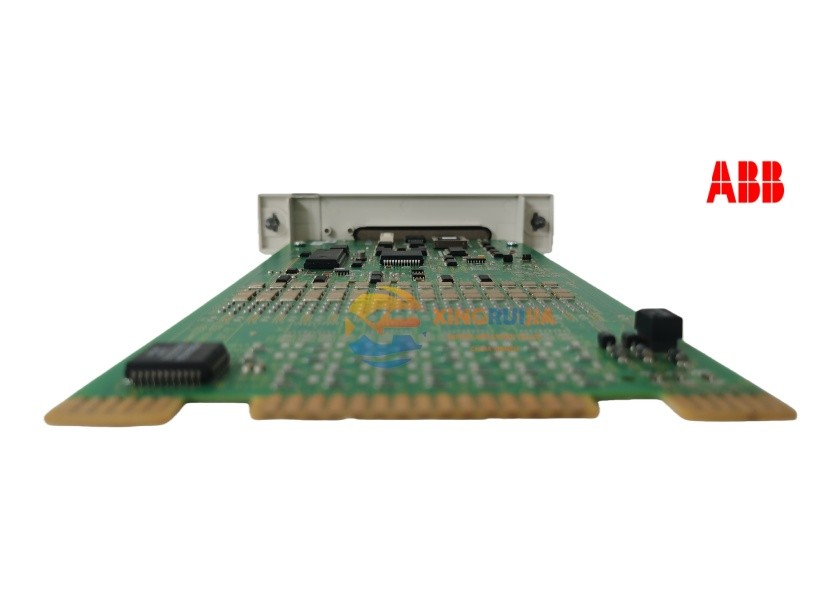
The plant’s ethylene cracking process relies on precise monitoring of 42 critical parameters—including reactor temperature (350-850°C), steam-to-oil ratio (0.8-1.2), and gas pressure (15-30 bar)—to ensure optimal cracking efficiency and product quality. Its legacy analog input modules, installed in 2012, presented three insurmountable issues:
- Poor Accuracy: ±0.5% full-scale error led to inconsistent reactor conditions, resulting in 12% of batches failing to meet polymer-grade ethylene purity standards (costing €380,000 monthly in reprocessing).
- Signal Crosstalk: Lack of channel isolation caused interference between temperature and pressure sensors, triggering false alarms that forced 3-4 unplanned shutdowns per month (each costing €120,000 in lost production).
- Slow Response: 500ms signal latency meant the control system couldn’t react quickly to sudden temperature spikes, increasing energy consumption by 8% due to over-steaming.
With the EU’s new carbon tax penalties looming, the plant needed a high-precision monitoring solution to reduce waste and improve efficiency. “Our old modules were guessing, not measuring,” said Dr. Thomas Weber, the plant’s process engineering manager. “We couldn’t optimize what we couldn’t measure accurately—and the carbon tax was going to make that inefficiency unsustainable.”
ABB SPFEC12-1: The Precision Solution for Chemical Processes
After evaluating four competitors, the plant selected the ABB SPFEC12-1 analog input module for its chemical-specific design, technical superiority, and seamless integration:
- ±0.1% Measurement Precision: The SPFEC12-1’s 16-bit resolution and advanced signal conditioning reduced measurement error by 80%, ensuring reactor parameters stay within the optimal 0.2% tolerance window. This directly addressed the batch purity issues.
- 15-Channel Isolation: Each of the module’s 15 channels features 2.5kV galvanic isolation , eliminating signal crosstalk between sensors. The module also meets IEC 61000-6-2 EMC standards, resisting electromagnetic interference from nearby pumps and heaters.
- 1000Hz Sampling Rate: With a response time 5x faster than the old modules, the SPFEC12-1 captures real-time parameter changes, allowing the control system to adjust steam flow and temperature instantaneously—cutting energy waste.
- Seamless System Compatibility: Designed for ABB’s System 800xA DCS , the SPFEC12-1 required no custom coding. It supports Modbus TCP/IP and Profinet , integrating with the plant’s existing SCADA system in just 3 days.
- Harsh Environment Durability: Operating temperature range of -20°C to +60°C and IP20 protection withstand the cracking unit’s high-heat, dusty conditions—eliminating module failures caused by environmental stress.
Implementation & Transformative Results
The plant’s automation team, supported by ABB field engineers, deployed 12 SPFEC12-1 modules across 3 cracking reactors. The phased rollout minimized downtime, with each reactor offline for just 8 hours. Three months post-deployment, the results were transformative:
- Production Yield Up 18%: Precise control of steam-to-oil ratio and temperature increased ethylene output by 90,000 tons annually, adding €4.5 million in revenue.
- Batch Purity Rate Hits 99.8%: Measurement accuracy reduced off-spec batches from 12% to 0.2%, saving €4.56 million yearly in reprocessing costs.
- Energy Consumption Down 11%: Real-time data processing optimized steam usage, cutting natural gas consumption by 7.2 million cubic meters annually—avoiding €360,000 in carbon tax penalties.
- Unplanned Shutdowns Eliminated: Isolation and anti-interference features reduced false alarms to zero, saving €480,000 in lost production.
- Maintenance Time Cut 40%: The SPFEC12-1’s self-diagnostic alerts identify sensor drift or wiring issues before they cause failures, reducing troubleshooting time from 8 hours to 2 hours per incident.
“The SPFEC12-1 isn’t just a module—it’s a precision tool that redefined our process control,” Weber said. “We’re now operating at peak efficiency, and the data integrity gives us confidence to optimize further.”
Maria Schmidt, ABB’s global product manager for process automation modules, emphasized the SPFEC12-1’s design philosophy: “Chemical plants need modules that can handle harsh conditions while delivering laboratory-grade precision. The SPFEC12-1 balances ruggedness and accuracy to directly impact our customers’ bottom lines and sustainability goals.”
The plant plans to deploy the SPFEC12-1 across its polyethylene and polypropylene production lines by Q2 2025, targeting a 15% reduction in overall carbon emissions.